

The Hidden Cost of Hiring: What You Don't Measure, You Can't Manage


The value that platforms like HiringCycle.ai bring to interview and resume matching processes often cannot be directly measured. As a result, decision-making is delayed. The core reason behind this is simple: the time, effort, and cost embedded in current hiring processes are not systematically calculated. These costs already exist — they are just not visible, and therefore not manageable.
The Cost Is There — It's Just Not Visible
Today, many organizations cannot fully measure how much time, workforce, and budget their hiring processes consume. This lack of visibility leads to slower decisions. The cost is not eliminated; it simply remains hidden.Most organizations still cannot clearly answer fundamental questions: How many resumes are reviewed for a single role? What is the total interview time per candidate? How many people are involved in the process? What is the total cost of hiring?
When these questions remain unanswered, investments in technology are postponed. But postponement does not remove inefficiency — it only allows it to continue.
Especially in critical areas like language skills, inaccurate evaluation is one of the main drivers of these hidden costs.
* We explore why assessing English proficiency correctly is challenging in more detail here.
What the Data Shows
The data paints a clear picture. The average time to hire ranges between 36 and 44 days, extending to 60–90 days for senior roles. More importantly, a large portion of qualified candidates move on to other opportunities within the first 10 days. This makes hiring speed a direct competitive advantage.The daily cost of an open position ranges from $100 to $1,000. Even under conservative assumptions, a role that remains open for 45 days can result in tens of thousands of dollars in lost value.
On top of that, the human effort involved is significant. A typical hiring process includes a recruiter, a hiring manager, and 3 to 6 interviewers — totaling 40 to 70 hours of work per hire.
However, the most critical loss often goes unmeasured: candidate drop-off. Lengthy processes, uncertainty, and multiple interview stages cause many candidates to withdraw. Especially in processes exceeding 30 days, offer acceptance rates drop significantly.
Hiring Is Now a Strategic Function
At this point, hiring is no longer just an operational process — it is a strategic function with direct impact on business outcomes.Today's workforce is more mobile and more selective. Candidates prefer companies that move quickly and communicate clearly, rather than those with long and uncertain processes. Hiring speed has become an integral part of the employer brand.
Let's Do the Math
Despite this, many organizations still treat hiring as a routine operational activity and overlook its true cost. Yet even a simple calculation reveals the reality:Resume screening: 20 hours
Interviews: 25 hours
Coordination: 10 hours
This amounts to approximately 55 hours of labor per hire. With an average hourly cost, this represents a significant direct expense. When combined with the cost of keeping a position open, the total hidden cost of a single hire becomes substantially higher.
This Is Where AI Comes In
This is where artificial intelligence-powered systems come into play. These systems do not only accelerate the process — they also make it measurable.HiringCycle.ai is not just a tool that speeds up hiring — it is a system that makes costs visible and manageable. It significantly reduces time spent on resume matching, enables fewer but more focused interviews, and supports faster, data-driven decision-making.
As a result, time-to-hire decreases, hiring costs are reduced, and hiring quality improves. The key mindset shift is this: such systems are not an additional cost. They are tools that uncover and optimize the costs organizations are already bearing but cannot see.
You Can't Manage What You Can't Measure
Today, many organizations manage their hiring processes, but very few truly measure them. If an organization cannot clearly answer the following questions, a major efficiency gap still exists:What is the daily cost of an open position? How many hours are spent per hire? How many candidates are lost during the process? At which stage and why are the best candidates lost?
Any organization that cannot answer these questions with data continues to lose time, budget, and talent — often without realizing it. Instead of waiting for more data to make decisions, organizations need to start generating it. Making hiring processes measurable is the first step toward improving them.
Sources and References
Average time to hire and candidate drop-off:LinkedIn Talent Solutions, Global Talent Trends Report 2024 – Time to hire averages 60–90 days for senior roles and 36–44 days for mid-level roles.
Candidate drop-off (~60%):
Indeed Hiring Insights, 2023 – Approximately 60% of candidates drop out of lengthy hiring processes.
Cost of open positions:
SHRM (Society for Human Resource Management), Human Capital Benchmarking Report 2023 – The cost of an open position ranges between $100–$1,000 per day depending on role and industry.
Human effort and cost per hire:
Workable, Recruitment Metrics 2023 – Hiring requires 40–70 hours of human effort and costs approximately $4,700–$8,000 per hire.
Cost of a bad hire:
Gartner, Cost of a Bad Hire Report 2022 – The cost of a bad hire ranges between 30% and 200% of the employee's annual salary.
Blog
Latest content in the business world

The New Question in Hiring: How Much Can We Trust Candidate Data?
As AI becomes widespread in hiring processes, new questions arise about the reliability of candidate data. Why are verification and trust becoming more important in hiring?
Reading Time 9 min. - 29.08.2026

10 Common Misconceptions About AI in Hiring
AI is no longer the future of hiring — it is part of today. But what does AI actually do and not do in hiring? Let's examine the 10 most common misconceptions together.
Reading Time 12 min. - 21.08.2026

The HR Tech Market Is Crowded. But Which One Is Truly Good?
Almost everyone trying to buy HR technology today is experiencing the same confusion. Every week a new ATS, a new video interview platform, a new AI recruiter appears. So which one truly creates value?
Reading Time 6 min. - 04.08.2026

How to Scale Interviews Without Losing Evaluation Quality
Scaling interviews is easy, but maintaining consistent and accurate evaluation is not. Learn how to protect decision quality as hiring volume grows.
Reading Time 4 min. - 19.04.2026
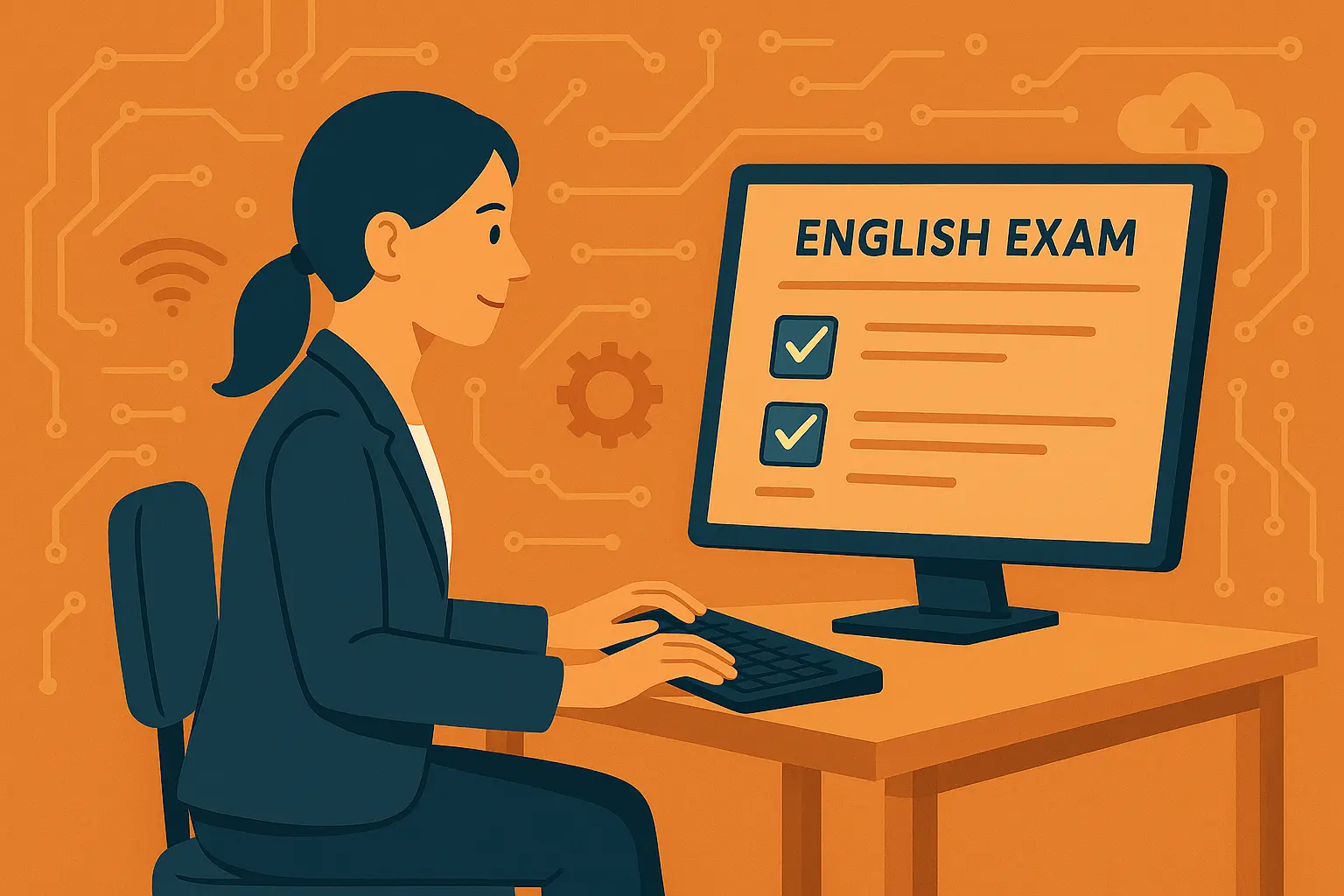
English Proficiency Assessment: What Are You Really Measuring?
Most companies measure English test performance — not real communication ability. Learn how to evaluate candidates more accurately.
Reading Time 4 min. - 18.04.2026
The Hidden Cost of Hiring: What You Don't Measure, You Can't Manage
The real cost of hiring is higher than you think. Learn how inefficient processes and poor evaluation decisions drive hidden costs.
Reading Time 6 min. - 18.04.2026

AI interviews are easy — but how reliable are the results?
AI is making hiring faster. But speed isn't the real question anymore. The real question is: how much can you trust the outcome?
Reading Time 4 min. - 12.04.2026

The New Role of HR: Strategic Leader in Digital Transformation
Human Resources is no longer a support function. It has become a strategic driver of digital transformation. Buying technology is easy — making it work with people is the real challenge.
Reading Time 4 min. - 30.03.2026

AI-Driven Transformation in Performance Evaluation
Enhance your performance review process with AI. Discover objective, data-driven and competency-based evaluation methods for HR teams.
Reading Time 6 min. - 29.05.2025

New Era in Candidate Retention: Powered by AI
Transform your hiring experience with AI-driven strategies that boost engagement, transparency, and speed in recruitment.
Reading Time 4 min. - 27.05.2025

The Power of DEI in Inclusive Hiring | http://hiringcycle.ai
Discover how DEI principles foster bias-free, fair, and transparent recruitment processes powered by technology and ethical design.
Reading Time 4 min. - 21.05.2025
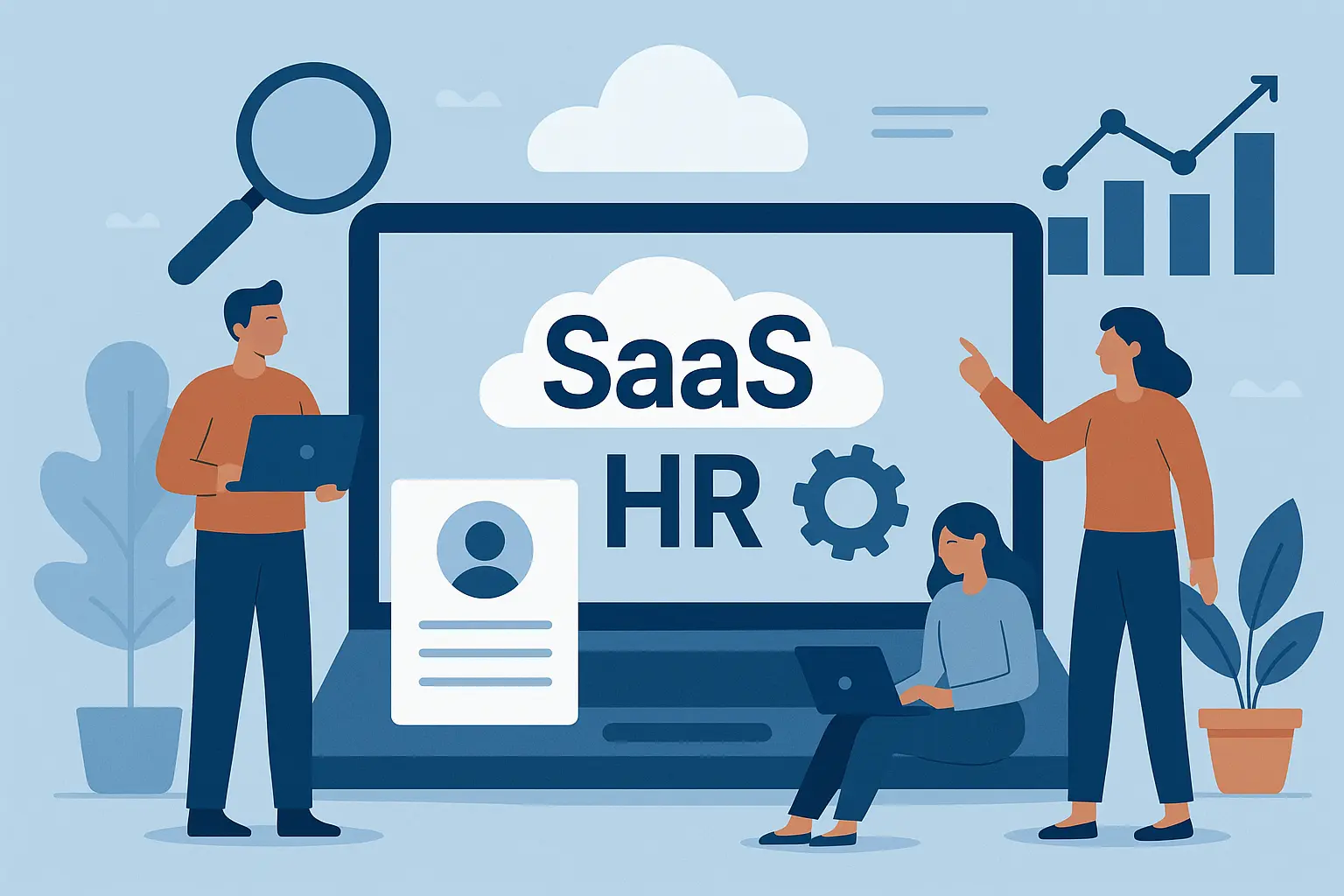
SaaS Transformation in HR
Automate hiring processes and boost HR efficiency with SaaS. Discover how hiringcycle.ai simplifies every step.
Reading Time 3 min. - 13.05.2025

What Is a Competency-Based Interview? Key Insights
Improve your hiring with competency-based interviews. Discover the STAR method and AI-driven evaluation to find the best-fit talent.
Reading Time 6 min. - 08.05.2025

Rising Hiring Costs in Turkish SMEs
TURKSTAT data shows hiring costs in SMEs are soaring. Discover the hidden expenses and their impact in our latest newsletter.
Reading Time 3 min. - 06.05.2025

Candidate Experience: Strengthen Your Brand
Candidate experience shapes brand perception. Improve your hiring process to attract talents and strengthen your company’s reputation.
Reading Time 4 min. - 29.04.2025

After Recruitment: The Era of Competency Begins
How AI-powered video interviews support upskilling, reskilling, and post-hiring talent development.
Reading Time 6 min. - 22.04.2025

Why Gen Z Prefers Video Interviews
Exploring Gen Z's shift from face-to-face to video interviews.
Reading Time 6 min. - 17.04.2025
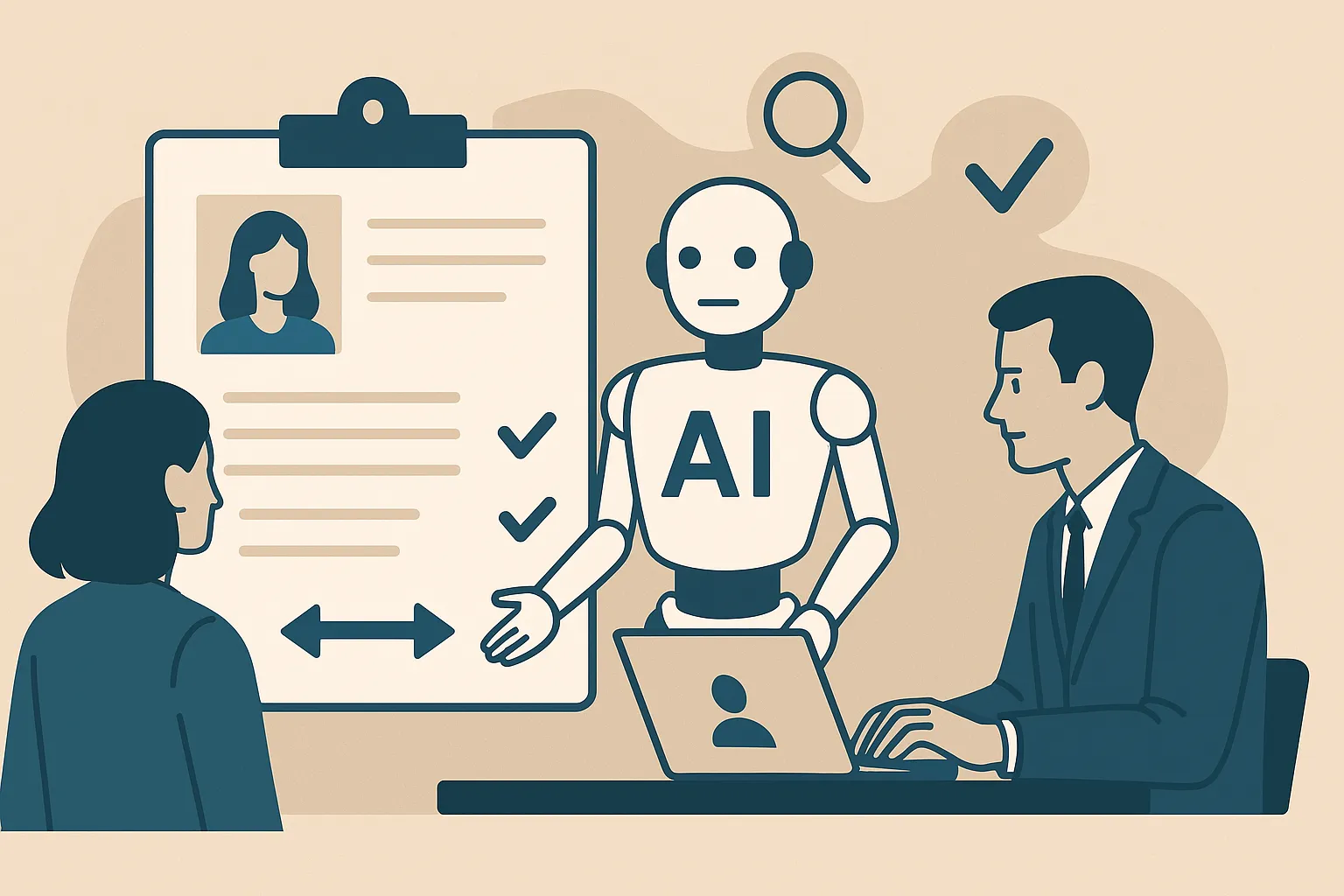
AI in Recruitment: The Power and Responsibility of Technology
AI enhances recruitment efficiency, but data privacy, fairness, and transparency are now more critical than ever.
Reading Time 4 min. - 15.04.2025

Is it possible to interview hundreds of candidates at the same time?
As application volume grows, hiring processes don't have to slow down. AI-powered interview systems make it possible to engage with candidates simultaneously while keeping the process more manageable.
Reading Time 6 min. - 11.04.2025

AI-Powered Hiring Process for SMEs
An in-depth look at how AI helps SMEs hire faster and smarter with limited resources in recruitment and talent management.
Reading Time 5 min. - 08.04.2025

2025 MT Programs Guide: Apply & Ace Interviews
Discover how to apply, prepare for interviews, and stand out in 2025 Management Trainee programs with our complete application and interview guide.
Reading Time 6 min. - 25.03.2025
Hiringcycle.ai 2024 Competency Report Released
Discover our 2024 competency report based on 49,872 video interviews. Sectoral insights and candidate trends are now available.
Reading Time 3 min. - 23.03.2025

Managing MT (Internship) Programs Successfully with HR Strategies
Learn how to effectively manage Management Trainee (MT) and internship programs using modern HR strategies and AI-powered solutions.
Reading Time 6 min. - 16.03.2025
AI-Powered Interviews: Key Pre-Screening Criteria
Learn how AI-powered interviews assess candidates and how to provide effective responses based on pre-screening criteria.
Reading Time 5 min. - 13.03.2025
AI-Powered Effective CV Writing Guide
Learn how to craft an AI-friendly CV for modern hiring systems. Optimize your resume with keywords to stand out in AI-driven recruitment.
Reading Time 4 min. - 06.03.2025

Fast & Efficient Hiring: Discover Text Recruitment
Speed up your hiring process with text recruitment! Focus on the right candidates and enhance efficiency with AI-powered automation. Discover it now!
Reading Time 3 min. - 04.03.2025
Smart Interview: AI-Powered Fair Hiring Process
Discover AI-driven smart interviews and unbiased hiring. Enhance recruitment with automated, fair, and efficient assessment technologies.
Reading Time 4 min. - 27.02.2025
Reach the Right Candidates with Smart Job Descriptions
AI-powered job descriptions attract top talent, speed up hiring, and reduce costs. Optimize your recruitment strategy today!
Reading Time 3 min. - 25.02.2025

AI Revolution in 2025: The Future with hiringcycle.ai
This week, explore the impact of artificial intelligence on the business world in 2025. Experience the future of recruitment with hiringcycle.ai.
Reading Time 3 min. - 22.02.2025

AI-Powered Video Interview or Online Face-to-Face Interview?
We compare AI-powered video interviews and online face-to-face interviews. Discover the best method for candidates!
Reading Time 4 min. - 20.02.2025
Future of Jobs 2025: AI Transformation in the Business World
The Future of Jobs 2025 report has been released! 170 million new jobs, AI-driven skill transformation, and the rise of green skills. How will the workforce adapt to the future?
Reading Time 4 min. - 14.01.2025
Interview With Hundreds of People Simultaneously!
AI-based video interviews are revolutionizing the hiring process, offering benefits for both candidates and HR professionals. This article explores the rise of video interviews, their unbiased evaluation process, and how they focus on competencies while promoting diversity and efficiency.
Reading Time 11 min. - 20.03.2024

Optimize Your Hiring Processes with Artificial Intelligence
Discover how AI is transforming traditional HR processes, addressing challenges in recruitment, and paving the way for more efficient and strategic human resource management.
Reading Time 9 min. - 20.03.2024

What is the Real Cost of Mistakes Made in Hiring?
The path to success or failure for a startup lies in the quality of talent it harbors. The primary ingredient for a startup to meet and exceed its expectations is a well-coordinated and skilled team consisting of carefully chosen, qualified, and passionate employees.
Reading Time 5 min. - 15.03.2024
Beating the Clock: Making Hiring Faster and Better
In today's competitive job market, hiring the right person quickly is crucial. This article explores strategies to minimize time-to-hire while maintaining quality in the recruitment process.
Reading Time 3 min. - 20.09.2023

Boost Recruitment with hiringcycle.ai's Job Descriptions
Discover how hiringcycle.ai's AI-powered job description generator can revolutionize your recruitment process, attracting the right talent and building stronger teams.
Reading Time 4 min. - 10.09.2023

Can Tech Revolutionize Diverse Talent Acquisition?
Explore how technology can transform diverse talent acquisition by mitigating biases, expanding reach, and improving efficiency in the recruitment process.
Reading Time 3 min. - 05.09.2023

Why Are HR Metrics Important in Today's Business World?
Explore the crucial role of HR metrics in shaping successful hiring processes and how AI is revolutionizing data-driven decision making in recruitment.
Reading Time 3 min. - 30.08.2023

Make Hiring Processes Fairer With hiringcycle.ai!
Discover how hiringcycle.ai is revolutionizing recruitment by eliminating bias and making hiring processes fairer, faster, and more efficient.
Reading Time 3 min. - 25.08.2023

How Digitalization Elevates Candidate Experience
Explore how digital transformation and AI-powered tools like hiringcycle.ai are revolutionizing the recruitment process, enhancing candidate experiences, and creating more efficient, fair, and effective hiring practices.
Reading Time 3 min. - 20.08.2023
Mass Recruitment Challenges and the Role of HR Technologies
Explore the complexities of large-scale hiring and how AI-powered solutions like hiringcycle.ai are revolutionizing the process.
Reading Time 3 min. - 15.08.2023