

The New Question in Hiring: How Much Can We Trust Candidate Data?


How is AI changing the candidate profile?
A new technology race between candidates and companies
More data doesn't always mean better decisions
Verification is becoming as important as assessment
The importance of human judgment is not disappearing
The new question of hiring
Source
Deloitte, 2026 Global Human Capital Trends — Deloitte 2026 Global Human Capital TrendsBlog
İş dünyasındaki son içerikler
İşe Alımda Yeni Soru: Aday Verisine Ne Kadar Güvenebiliriz?
Yapay zekanın işe alım süreçlerinde yaygınlaşması, aday verilerinin güvenilirliği konusunda yeni soruları beraberinde getiriyor. İşe alımda doğrulama ve güven neden daha önemli hale geliyor?
Okuma Süresi 7 dk. - 29.08.2026

İşe Alımda Yapay Zeka Hakkında Doğru Bilinen 10 Yanlış
Yapay zeka artık işe alım süreçlerinin geleceği değil, bugünün bir parçası. Peki işe alımda yapay zeka gerçekten ne yapıyor, ne yapmıyor? En yaygın 10 yanlışı birlikte inceleyelim.
Okuma Süresi 9 dk. - 21.08.2026

HR Tech Marketi Kalabalıklaştı. Peki Hangisi Gerçekten İyi?
Bugün HR teknolojisi satın almaya çalışan neredeyse herkes aynı karmaşayı yaşıyor. Her hafta yeni bir ATS, yeni bir video mülakat platformu, yeni bir AI recruiter çıkıyor. Peki hangisi gerçekten değer üretiyor?
Okuma Süresi 5 dk. - 04.08.2026

Mülakatları Ölçeklerken Değerlendirme Kalitesini Nasıl Korursunuz?
Mülakatları ölçeklemek kolaydır, ancak değerlendirme kalitesini tutarlı şekilde korumak zordur. Aday sayısı arttıkça doğru kararları nasıl alacağınızı keşfedin.
Okuma Süresi 3 dk. - 19.04.2026
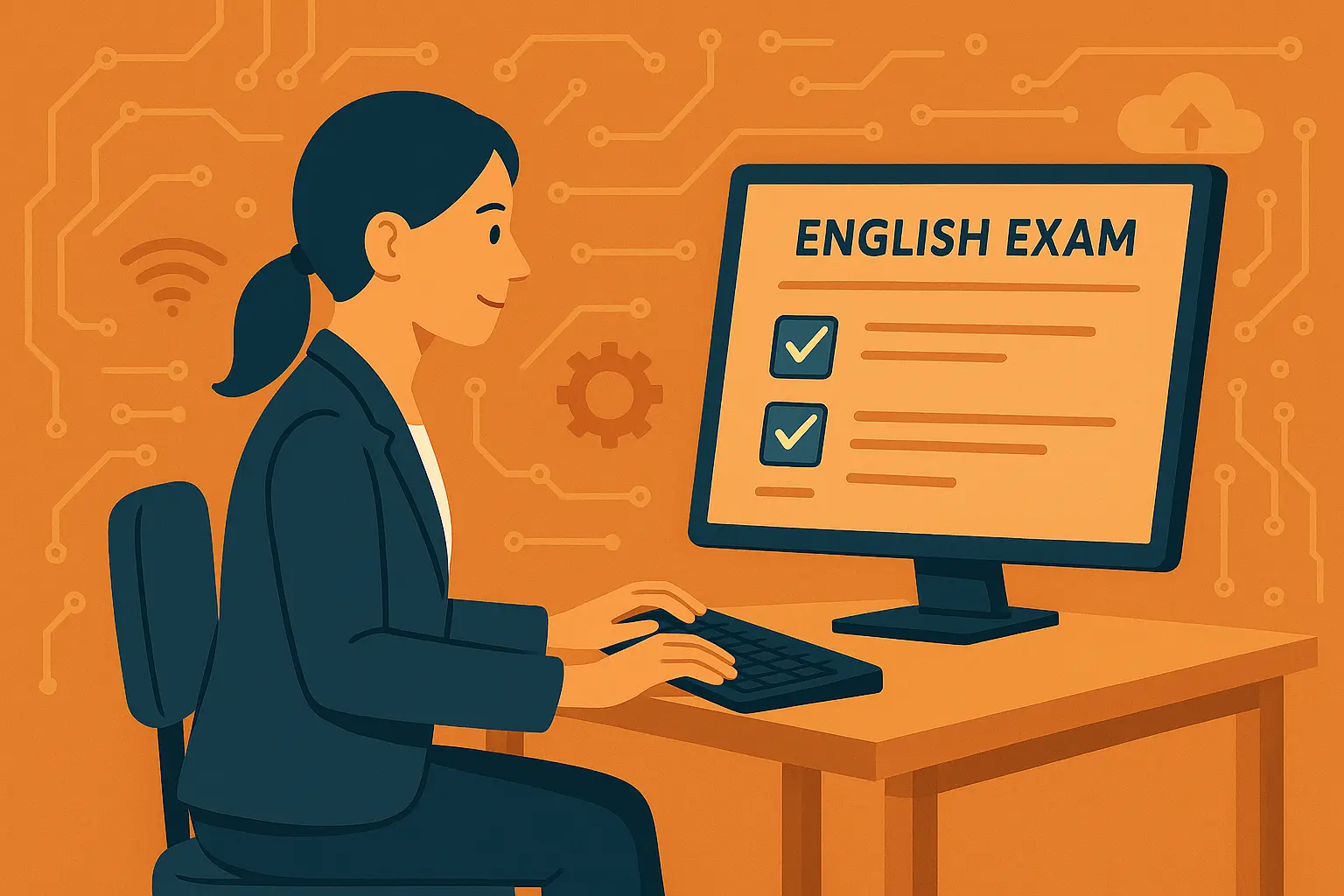
İngilizce Seviye Değerlendirme: Gerçekten Neyi Ölçüyorsunuz?
Adayların İngilizce seviyesini gerçekten doğru ölçüyor musunuz? Geleneksel testlerin sınırlarını ve daha doğru değerlendirme yöntemlerini keşfedin.
Okuma Süresi 4 dk. - 18.04.2026

İşe Alımın Görünmeyen Maliyeti: Ölçemediklerinizi Yönetemezsiniz
İşe alımın gerçek maliyeti düşündüğünüzden daha yüksek olabilir. Yanlış değerlendirme ve uzayan süreçlerin etkisini keşfedin.
Okuma Süresi 6 dk. - 18.04.2026

AI ile mülakat yapmak kolay. Peki sonuçlar ne kadar güvenilir?
Yapay zeka işe alım süreçlerini hızlandırıyor. Ancak asıl soru hız değil: Bu değerlendirmelere ne kadar güvenebiliriz?
Okuma Süresi 4 dk. - 12.04.2026

İK'nın Yeni Rolü: Dijital Dönüşümde Stratejik Liderlik
İnsan Kaynakları artık sadece bir destek fonksiyonu değil; dijital dönüşümün başarısını belirleyen stratejik bir lider.
Okuma Süresi 3 dk. - 30.03.2026

Yapay Zeka ile Performans Değerlendirme
Performans değerlendirmeyi yapay zekâ ile hızlandırın. Objektif, veriye dayalı ve yetkinlik bazlı değerlendirme süreçlerini keşfedin.
Okuma Süresi 6 dk. - 28.05.2025

Aday Tutundurmada Yeni Dönem: Yapay Zeka Etkisi
Aday bağlılığını artıran yapay zeka destekli stratejilerle işe alım deneyiminizi dönüştürün. Şeffaflık, hız ve etkileşim bir arada.
Okuma Süresi 3 dk. - 27.05.2025

DEI ile Kapsayıcı ve Adil İşe Alımın Gücü
DEI (Çeşitlilik, Eşitlik, Kapsayıcılık) ilkeleriyle önyargılardan arınmış, adil ve şeffaf işe alım süreçlerini nasıl mümkün kılabilirsiniz?
Okuma Süresi 4 dk. - 21.05.2025

İK Süreçlerinde SaaS Dönüşümü | hiringcycle.ai
SaaS çözümleri ile işe alım süreçlerini otomatikleştirerek İK ekiplerinin stratejik gücünü artırın. hiringcycle.ai ile tanışın.
Okuma Süresi 3 dk. - 13.05.2025

Yetkinlik Bazlı Mülakat Nedir? Avantajları ve Uygulama
Yetkinlik bazlı mülakatlarla işe alım sürecinizi güçlendirin. STAR tekniği ve yapay zeka destekli değerlendirme ile doğru adayı bulun.
Okuma Süresi 5 dk. - 08.05.2025

KOBİ'lerde İşe Alım Maliyetleri Yükseliyor
TÜİK verilerine göre KOBİ'lerde işe alım maliyeti rekor seviyelere ulaştı. Görünmeyen maliyet kalemlerini bültende ele aldık.
Okuma Süresi 3 dk. - 06.05.2025

Aday Deneyimi: Markanızın Gücünü Gösterin
Aday deneyimi, marka algısını şekillendirir. İyi bir işe alım süreci ile hem yetenekleri kazanır hem de itibarınızı güçlendirirsiniz.
Okuma Süresi 4 dk. - 29.04.2025
İşe Alımdan Sonrası: Yetkinlik Dönemi Başlıyor
Yapay zekâ destekli video mülakatlarla işe alım sonrası yetkinlik gelişimi, upskilling ve potansiyel analizi nasıl yapılır?
Okuma Süresi 5 dk. - 22.04.2025
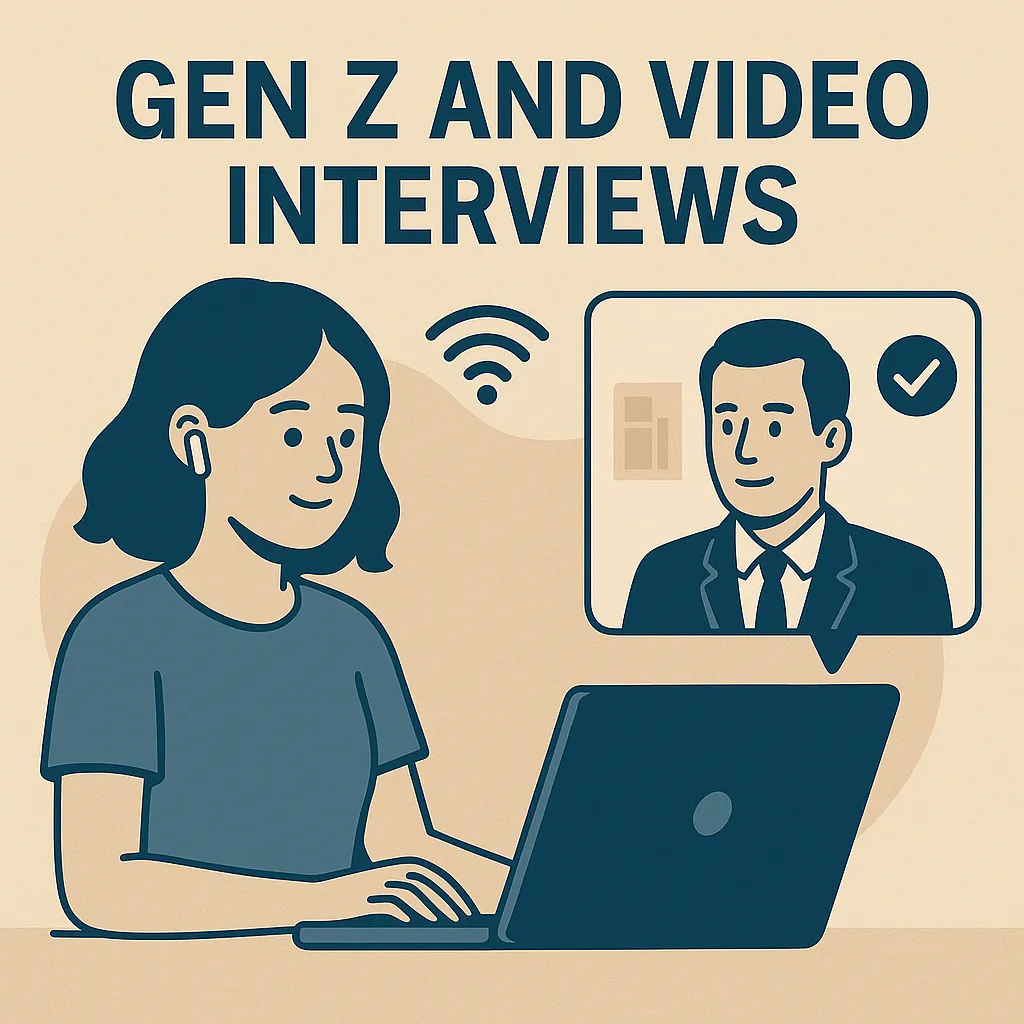
Z Kuşağı Neden Yüz Yüze Değil, Video Mülakatı Tercih Ediyor?
Z kuşağının video mülakat tercihinin ardındaki sebepler.
Okuma Süresi 5 dk. - 17.04.2025
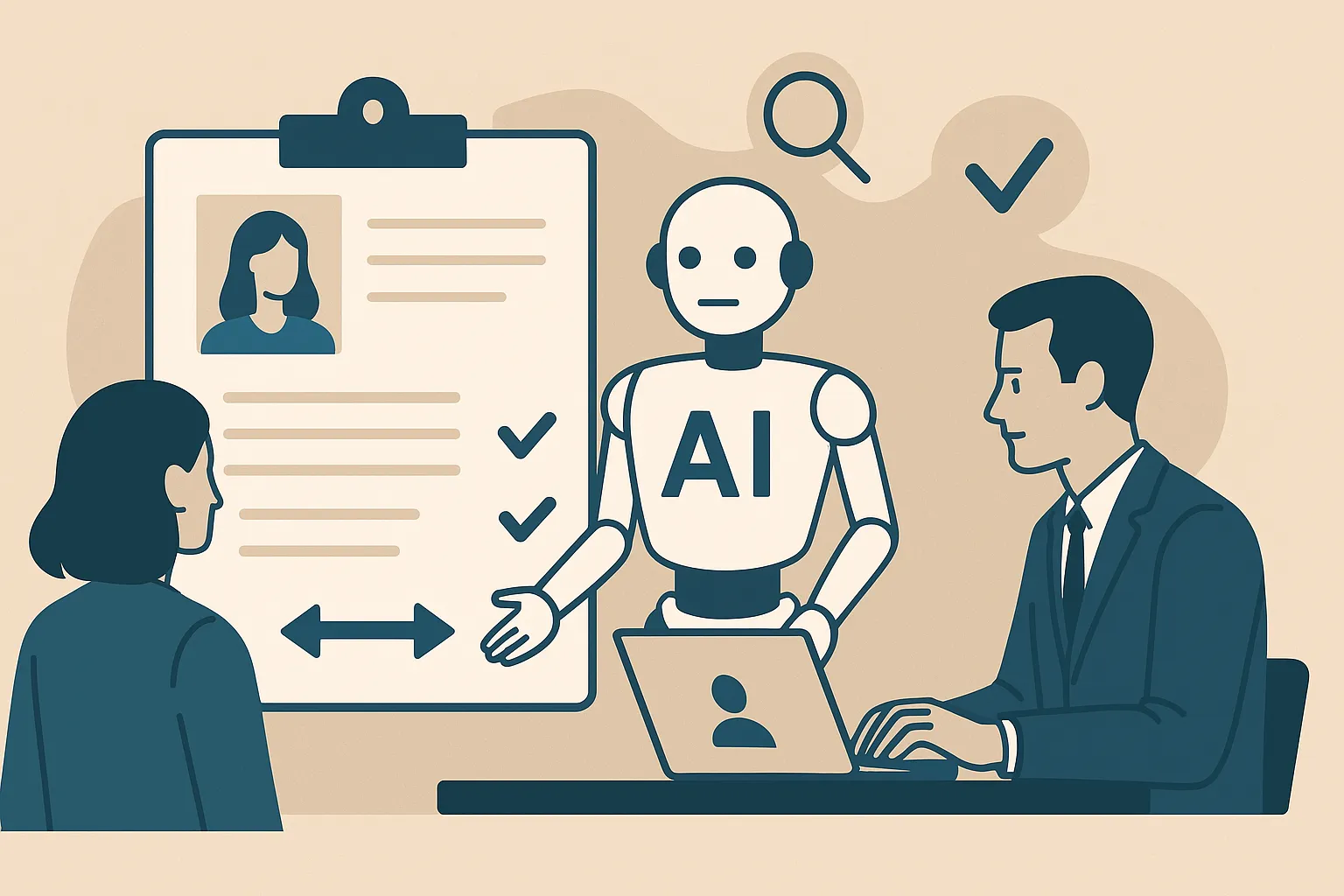
Yapay Zeka ile İşe Alım: Güç ve Sorumluluk
Yapay zekayla işe alımda verimlilik artıyor; ancak veri güvenliği, adalet ve şeffaflık her zamankinden daha önemli hale geliyor.
Okuma Süresi 4 dk. - 15.04.2025

KOBİ’lerde Aday Deneyimi ve Dijital Dönüşüm
KOBİ’lerde aday deneyimini iyileştirmek için dijitalleşmenin gücünden nasıl yararlanılır? hiringcycle.ai çözümleriyle tanışın.
Okuma Süresi 6 dk. - 11.04.2025

KOBİ’ler için Yapay Zeka Destekli İşe Alım Süreci
KOBİ’lerde sınırlı kaynaklarla verimli ve hızlı işe alım süreçlerini mümkün kılan yapay zeka çözümlerine dair kapsamlı bir bakış.
Okuma Süresi 4 dk. - 08.04.2025

2025 MT Programları Başvuru ve Mülakat Rehberi
2025 MT programlarına başvuru süreci, mülakat tüyoları ve başarılı olman için bilmen gereken her şey bu kapsamlı rehberde seni bekliyor!
Okuma Süresi 5 dk. - 25.03.2025
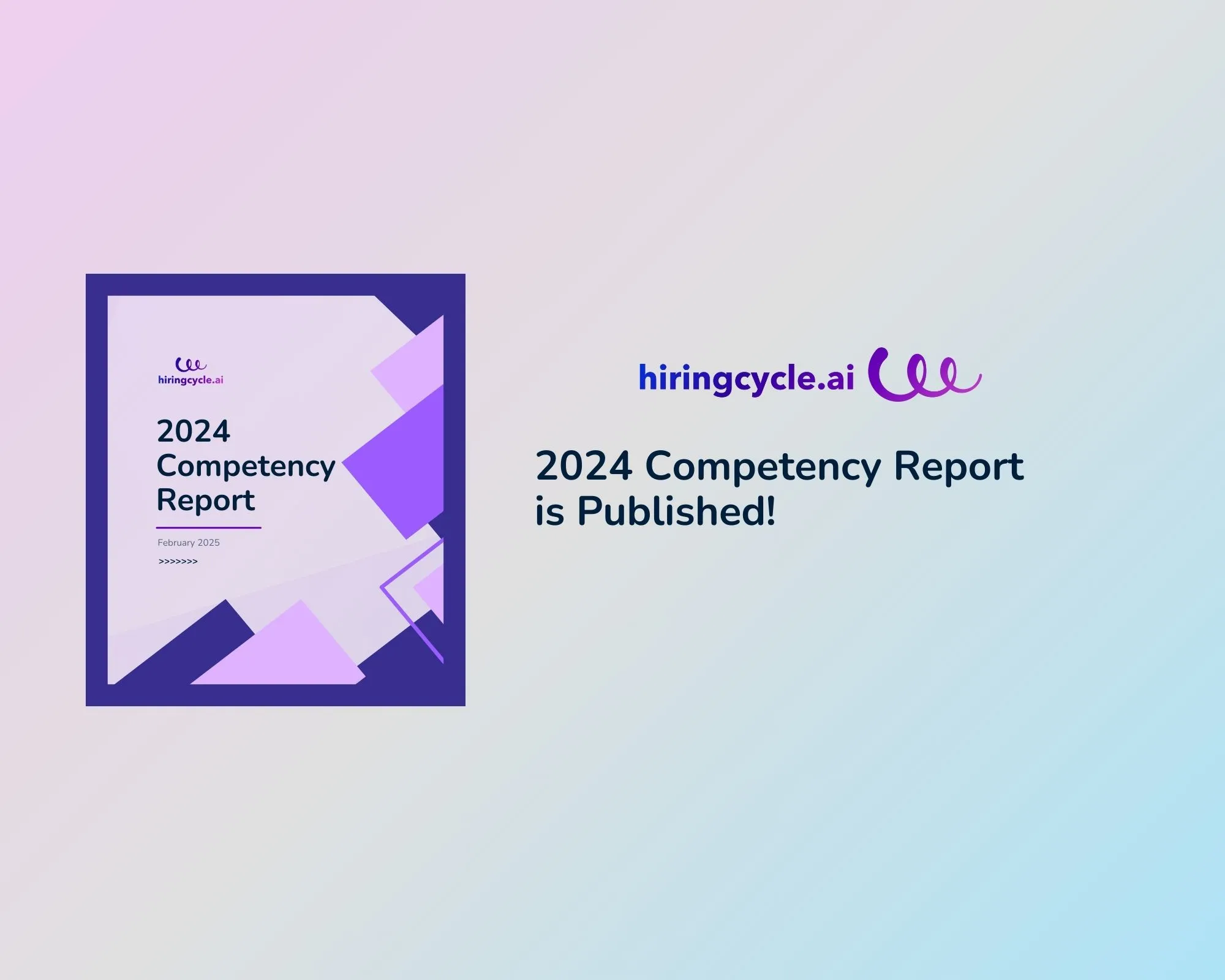
hiringcycle.ai 2024 Yetkinlik Raporu Yayınlandı!
2024'te yapılan 49.872 video mülakatın verilerine dayanan yetkinlik raporumuzu keşfedin. Sektörel analizler ve aday içgörüleri sizi bekliyor.
Okuma Süresi 3 dk. - 23.03.2025

MT ve Staj Programlarını AI & İK Stratejileriyle Optimize Et
MT ve staj programlarınızı geliştirmek için etkili İK stratejilerini ve yapay zeka destekli çözümleri keşfedin. Doğru yetenekleri bulun ve geliştirin.
Okuma Süresi 6 dk. - 16.03.2025
Yapay Zeka Mülakatlarında Ön Değerlendirme Kriterleri
Yapay zeka destekli mülakatlarda ön değerlendirme kriterlerini ve başarılı yanıt verme stratejilerini öğrenin.
Okuma Süresi 5 dk. - 13.03.2025

Yapay Zeka ile Etkili CV Hazırlama Rehberi
Yapay zeka destekli işe alım sistemlerine uygun CV nasıl hazırlanır? Anahtar kelimelerle optimize edilmiş güçlü bir özgeçmiş oluşturun.
Okuma Süresi 4 dk. - 06.03.2025
Hızlı ve Verimli İşe Alım: Text Recruitment ile Tanışın
Text recruitment ile işe alım süreçlerinizi hızlandırın, doğru adaylara odaklanın ve yapay zeka ile verimliliğinizi artırın. Daha hızlı işe alım için şimdi keşfedin!
Okuma Süresi 2 dk. - 04.03.2025
Akıllı Mülakat: Yapay Zeka ile Adil İşe Alım Süreci
Akıllı mülakat ve değerlendirme ile önyargısız işe alım süreçleri. Yapay zeka destekli otomasyonla adil ve verimli işe alım yöntemlerini keşfedin.
Okuma Süresi 5 dk. - 27.02.2025
Akıllı İş Tanımı Oluşturucu ile Doğru Adaylara Ulaşın
Yapay zeka destekli iş tanımı oluşturucu ile nitelikli adayları çekin, işe alım sürecini hızlandırın ve maliyetleri düşürün.
Okuma Süresi 3 dk. - 25.02.2025

Yapay Zeka ile Video Mülakat mı, Çevrimiçi Mülakat mı?
Yapay zeka destekli video mülakatlar ve çevrimiçi yüz yüze mülakatları karşılaştırıyoruz. Adaylar için en uygun yöntemi keşfedin!
Okuma Süresi 4 dk. - 20.02.2025
Çalışan Bağlılığı: Doğru İşe Alım ve Performans Yönetimi
Doğru işe alım ve objektif performans değerlendirme, çalışan bağlılığını %30 artırabilir. Yapay zeka ile işe alım ve iç değerlendirme süreçlerini keşfedin.
Okuma Süresi 3 dk. - 18.02.2025
İş Tanımını Okumanın Önemi: Yapay Zeka ile Mülakata Hazırlık
İş tanımını analiz edin, örneklerle ilişkilendirin ve bu pozisyonun kariyer planlarınıza uygun olup olmadığını değerlendirin.
Okuma Süresi 7 dk. - 13.02.2025

2025'te Adil ve Veri Odaklı Performans Değerlendirme
2025'e girerken performans değerlendirme ve terfi süreçlerinde adil, objektif ve veri odaklı yaklaşımlar neden kritik? Detaylar için hemen okuyun!
Okuma Süresi 2 dk. - 11.02.2025
Performans Değerlendirme 2025: Yetkinlik Odaklı Değerlendirme
2025'te iş dünyasında öne çıkan yetkinlikler ve performans yönetimi süreçlerinde etkili çözümler hakkında bilgi edinin.
Okuma Süresi 4 dk. - 30.01.2025

Yapay Zeka ile İşe Alım
Yapay zeka destekli video mülakatlarla 2025 yılında işe alım süreçlerini hızlandırın, maliyetleri azaltın ve en doğru adayları objektif şekilde seçin. Geleceğe hazır olun!
Okuma Süresi 5 dk. - 23.01.2025
Accenture Life Trends 2025: Hızlı Çözümlerin Yükselişi
Accenture Life Trends 2025 raporu, kariyer, sağlık ve finans alanlarında hızlı çözümlerin önemini ve işe alım süreçlerindeki etkilerini vurguluyor.
Okuma Süresi 2 dk. - 19.01.2025

İşe Alımda Yapay Zeka: Etik İlkeler ve Yasal Düzenlemeler
İşe alımda yapay zeka kullanırken adalet, şeffaflık, veri gizliliği ve erişilebilirlik ilkelerine uygun hareket edin. Yasal düzenlemelere göre doğru strateji geliştirin.
Okuma Süresi 5 dk. - 16.01.2025
Future of Jobs 2025: İş Dünyasında Yapay Zeka Dönüşümü
Future of Jobs 2025 raporu yayınlandı! 170 milyon yeni iş, yapay zekâ destekli beceri dönüşümü ve yeşil becerilerin yükselişi. İş gücü geleceğe nasıl uyum sağlayacak?
Okuma Süresi 4 dk. - 14.01.2025

2025'te Yapay Zeka Devrimi: hiringcycle.ai ile Gelecek
Bu hafta 2025'te yapay zekanın iş dünyasına etkisini keşfedin. hiringcycle.ai ile geleceğin işe alım süreçlerini deneyimleyin.
Okuma Süresi 2 dk. - 05.01.2025

Daha Sağlıklı Bir Yaşam İçin 2025 Alışkanlık Önerileri
2025'te sağlıklı ve dengeli bir yaşam için basit alışkanlıklarla hayat kalitenizi artırmanın yollarını keşfedin.
Okuma Süresi 4 dk. - 03.01.2025

2025'te Video Mülakat Araçlarının İşe Alımdaki Rolü
Video mülakat araçlarıyla 2025'te daha hızlı, adil ve verimli işe alım süreçleri oluşturun. Teknolojiyle geleceği yakalayın!
Okuma Süresi 5 dk. - 02.01.2025

ChatGPT ile WhatsApp ve Telefon Entegrasyonu
Hiring Cycle’dan yenilik duyurusu: ChatGPT ile WhatsApp ve Telefon Entegrasyonu
Okuma Süresi 2 dk. - 29.12.2024

Zaman Yönetimi 2025: İleri Teknikler ve Stratejiler
2025'te zamanınızı etkili yönetin! Üretkenliği artıran dijital araçlar, Pomodoro tekniği ve iş-yaşam dengesi önerileriyle başarıya ulaşın.
Okuma Süresi 5 dk. - 27.12.2024
2025 İnsan Kaynakları Trendleri: Yapay Zeka ve Beceriler
2025'te İK'da yapay zeka, beceri odaklı işe alım ve cinsiyet eşitliği ile dönüşüm başlıyor. Hiringcycle.ai ile geleceğe hazır olun!
Okuma Süresi 5 dk. - 26.12.2024
Hiringcycle.ai ve London School of Mind İş Birliği
Hiringcycle.ai, London School of Mind ile iş birliği yaparak insan kaynakları süreçlerini bilimsel ve teknolojik yaklaşımla güçlendiriyor.
Okuma Süresi 2 dk. - 22.12.2024

Yapay Zeka ile Önyargısız İşe Alım Yöntemleri
Yapay zeka destekli değerlendirmelerle önyargıları azaltın, adil ve kapsayıcı işe alım süreçleri oluşturun.
Okuma Süresi 7 dk. - 19.12.2024
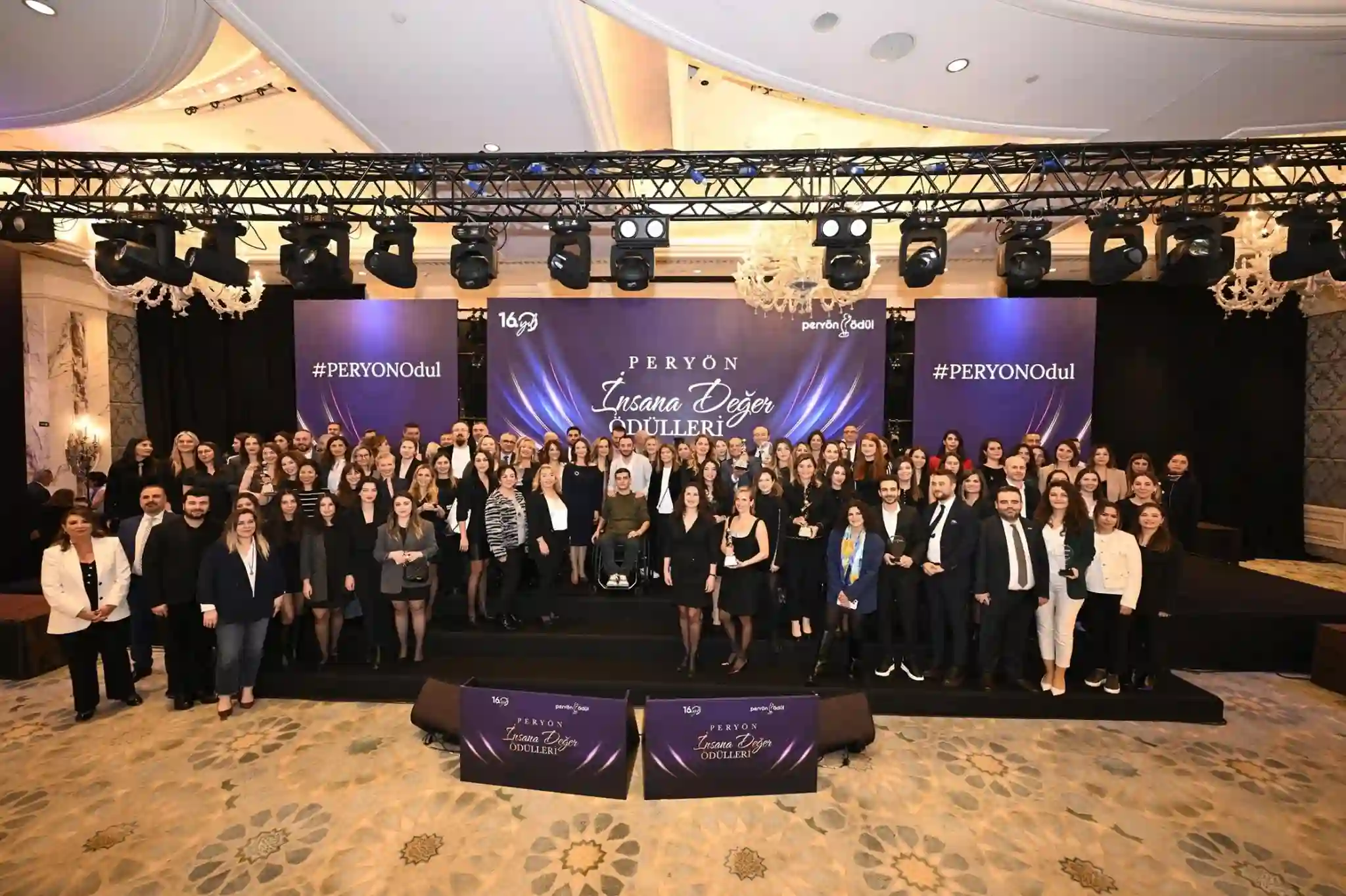
16. PERYÖN İnsana Değer Ödülleri Sahiplerini Buldu!
16. PERYÖN İnsana Değer Ödülleri, insan odaklı iş dünyasının öncülerini ödüllendirdi. hiringcycle.ai olarak bu anlamlı gecede yer aldık.
Okuma Süresi 2 dk. - 16.12.2024

Çalışanlar Hangi Çalışma Modelini Tercih Ediyor?
Evden çalışma, hibrit çalışma ve ofis çalışması: Çalışanların beklentileri, istatistikler ve İK stratejileriyle desteklenmiş detaylı analiz.
Okuma Süresi 6 dk. - 13.12.2024

Yapay Zeka ve İK: Hiringcycle CEO’su Anlatıyor
Hiringcycle CEO’su Ahu Bade Özkan, İK Bahçesi’nde yapay zekanın yetenek kazanımı ve işe alım süreçlerindeki etkisini değerlendiriyor.
Okuma Süresi 3 dk. - 09.12.2024

Haftada 4 Gün Çalışma: Verimlilik ve HRTech Çözümleri
Haftada 4 gün çalışma modeli, verimlilik, çalışan memnuniyeti ve HRTech'in sunduğu otomasyon avantajlarıyla iş dünyasında fark yaratıyor.
Okuma Süresi 6 dk. - 03.12.2024

EY Work Reimagined 2024: GenAI ve Yetenek Yönetimi Trendleri
EY Work Reimagined 2024 Araştırması, GenAI'nin iş dünyasındaki etkilerini ve yetenek yönetimindeki yeni stratejileri ortaya koyuyor.
Okuma Süresi 2 dk. - 01.12.2024

Uzaktan Çalışmada İK Stratejileri ve Ekip Bağlılığı
Uzaktan çalışma döneminde ekip bağlılığını artırmak için etkili İK stratejileri. İletişim, teknoloji ve çalışan desteğiyle verimliliği nasıl yükseltebilirsiniz?
Okuma Süresi 6 dk. - 26.11.2024

RoboRoyale: Yapay Zeka ile Bal Arısı Davranışları
RoboRoyale, yapay zeka ve robotik teknolojilerle bal arılarının davranışlarını otonom ve uzun süreli gözlemleyen bir sistem geliştirdi.
Okuma Süresi 2 dk. - 20.11.2024

Duygusal Zeka ve Video Mülakatlar: İşe Alımın Geleceği
Video mülakatlar ve yapay zeka, adayların duygusal zeka seviyelerini nasıl ölçüyor? İşe alım süreçlerini dönüştüren teknolojileri keşfedin.
Okuma Süresi 5 dk. - 19.11.2024

Gartner Hype Cycle 2024: Bankacılık ve Finans İçin Aksiyon Planı
2024 Gartner Hype Cycle öngörüleriyle bankacılık ve finans sektörü için kısa, orta ve uzun vadeli aksiyon planları.
Okuma Süresi 3 dk. - 17.11.2024

Çeviklik ve İK: Değişen Piyasa Koşullarına Uyum Sağlama
Çevik iş modelleri, hızla değişen piyasa koşullarına adaptasyonu ve çalışan bağlılığını artırarak rekabet avantajı sağlar. Çevik İK çözümleri ile dönüşümü keşfedin.
Okuma Süresi 5 dk. - 12.11.2024

2025 İK Öncelikleri: Stratejik Dönüşüm ve Yeni Trendler
2025 yılı İK trendlerinde çalışan deneyimi, dijitalleşme ve stratejik iş gücü planlaması öne çıkıyor. Gartner raporuna göre, İK liderleri geleceğe hazırlıklı mı?
Okuma Süresi 4 dk. - 10.11.2024

Kapsayıcı İşe Alım Stratejileri: DEI ile Çeşitli Bir İş Gücü
DEI odaklı işe alım stratejileriyle çeşitliliği artırarak şirket performansınızı yükseltin. Kapsayıcı işe alımın faydaları!
Okuma Süresi 5 dk. - 05.11.2024

Yapay Zeka ile Çalışan Bağlılığını Artırma Yolları
Yapay zeka ile çalışan bağlılığını artırmanın yollarını keşfedin. AI, iş yerindeki bağlılık ve memnuniyeti nasıl güçlendirebilir, öğrenin.
Okuma Süresi 13 dk. - 04.11.2024

Yapay Zeka ve Dijitalleşme: İK'da Stratejik Dönüşümün Geleceği
İK'da dijitalleşme ve yapay zeka, işe alım süreçlerini hızlandırıp hataları azaltıyor. Teknoloji, stratejik dönüşümle geleceğe yön veriyor.
Okuma Süresi 7 dk. - 04.11.2024

2024 Nobel Ödülleri: Yapay Zeka Bilimin Geleceğini Şekillendiriyor
2024 Nobel Ödülleri’nde yapay zeka, bilimin en zorlu problemlerini çözerek geleceğe ışık tutuyor. Yapay zeka bilime ve iş dünyasına nasıl yön veriyor?
Okuma Süresi 3 dk. - 27.10.2024

Z Kuşağının İş Hayatındaki Beklentileri ve AI Kullanımı
Z Kuşağı iş dünyasında yapay zekayı nasıl benimsiyor? İş hayatındaki beklentileri ve yeni teknolojilere yaklaşımlarını keşfedin.
Okuma Süresi 6 dk. - 22.10.2024

Yapay Zeka Çağında İş Gücünün Yeniden Eğitimi
Yapay zeka iş dünyasını dönüştürüyor. İş gücünüzü geleceğe hazırlamak için stratejiler ve kritik verilerle iş gücünüzü yeniden eğitin.
Okuma Süresi 4 dk. - 20.10.2024

Z Kuşağı ve Yapay Zeka: Geleceğin Çalışma Şekli
Z Kuşağı, yapay zeka ile iş dünyasında devrim yapıyor. AI'ye karşı tutumlarını ve iş süreçlerindeki rollerini keşfedin.
Okuma Süresi 6 dk. - 15.10.2024

Z Kuşağının İş Arama Alışkanlıkları ve Beklentileri
Z kuşağının iş arama süreçleri, dijital araçlar, referanslar ve şeffaflıkla şekilleniyor. İşverenler bu nesle nasıl uyum sağlayabilir?
Okuma Süresi 3 dk. - 13.10.2024

Yapay Zeka Düzenlemeleri: İnsan Kaynakları ve İK Teknolojilerine Etkileri
Yapay zeka düzenlemeleri, İK süreçlerini etkiliyor. Kaliforniya'da imzalanan yasalar, deepfake ve veri güvenliği gibi konularda daha sıkı kontroller getiriyor.
Okuma Süresi 3 dk. - 13.10.2024

Yapay Zeka ile İşveren Markanızı Güçlendirin
Yapay zeka destekli işe alım süreçleri ile işveren markanızı güçlendirin. Aday deneyimlerini kişiselleştirin, şeffaflık sağlayın ve fark yaratın.
Okuma Süresi 5 dk. - 06.10.2024

Çalışan Refahı: Verimlilik ve İş Başarısının Anahtarı
Çalışan refahı, verimlilik ve sürdürülebilir iş başarısının temelidir. Refahı artırmak için stratejiler ve uygulamalar keşfedin.
Okuma Süresi 4 dk. - 29.09.2024

Toplu İşe Alım Zorlukları ve IK Teknolojilerinin Rolü
Büyük ölçekli işe alımların zorluklarını ve İK teknolojilerinin bu süreçteki rolünü keşfedin. hiringcycle.ai gibi yapay zeka tabanlı araçların toplu işe alım süreçlerini nasıl optimize ettiğini öğrenin.
Okuma Süresi 3 dk. - 27.03.2024

Sessiz İstifa: İş Dünyasında Büyüyen Gizli Tehdit
Günümüzde 'sessiz istifa' olarak adlandırılan olgu, iş dünyasında yaygın bir sorun haline gelmiştir. Bu yazıda sessiz istifa kavramını, nedenlerini, etkilerini ve çözüm yollarını ele alacağız.
Okuma Süresi 6 dk. - 25.03.2024

Yapay Zeka ile İnovatif İşe Alım Süreçleri
İş dünyasında yapay zeka destekli yenilikçi işe alım süreçleri, QR kod ile başvuru ve video mülakatlar gibi teknolojilerin kullanımı, ve Kruidvat'ın başarılı stratejilerinden ilham alan gelecek planları ele alınıyor.
Okuma Süresi 6 dk. - 25.01.2024

Okuma Süresi 6 dk. - 18.12.2023

İşe Alımda Yapılan Yanlışların Gerçek Maliyeti Ne?
Startup'larda yanlış işe alımların finansal, operasyonel ve stratejik maliyetlerini inceliyoruz. Doğru işe alımın önemi ve etkili stratejiler hakkında bilgi edinin.
Okuma Süresi 7 dk. - 17.12.2023
Dijitalleşme Aday Deneyimini Nasıl Etkiliyor?
Dijitalleşmenin aday deneyimine etkisi nedir? İş arama ve işe alım süreçlerinde dijitalleşmenin rolünü öğrenin.
Okuma Süresi 6 dk. - 17.12.2023

Yapay Zeka İle İşe Alımı Kolaylaştırın!
Şirketleri güçlendiren ve ilerleten, tam da ihtiyaç duydukları yeteneği bünyelerine çekip güçlü bir takım oluşturabilmeleridir. Aradığınız doğru yeteneğe ulaşmak da büyük oranda işe alım sürecinde yarattığınız görev tanımlarına bağlıdır.
Okuma Süresi 6 dk. - 15.12.2023

Neden Günümüz İş Dünyasında İK Ölçütleri Önemlidir?
Günümüz hızlı tempolu ve rekabetçi iş ortamında, İK ölçütleri organizasyonların yetenekleri etkili bir şekilde işe alıp yönetmesinde kritik rol oynuyor. Bu makalede İK ölçütlerinin önemi ve işe alım süreçlerindeki başarıya etkisi ele alınıyor.
Okuma Süresi 5 dk. - 15.12.2023

Video Mülakatlar: Dijital Dönüşüm ve Hazırlık İpuçları
Pandemi ve dijital dönüşüm, insan kaynakları süreçlerini etkisi altına alarak video mülakatları gibi yöntemleri daha sık tercih edilir hale getirdi. Peki, video mülakatlar nedir ve video mülakatlara nasıl hazırlanmalıyız? İşte ipuçları.
Okuma Süresi 4 dk. - 05.11.2023

Yüzlerce adayla aynı anda mülakat yapmak mümkün mü?
Başvuru sayısı arttıkça süreçler uzamak zorunda değil. Yapay zeka destekli mülakat sistemleri, adaylarla aynı anda görüşmeyi mümkün kılarken süreci daha yönetilebilir hale getiriyor.
Okuma Süresi 7 dk. - 15.10.2023